

Backpack back pain is common—especially during the school year—but it doesn’t have to be. The biggest drivers are how heavy the pack is and how it’s worn. Use the guide below to right-size the load, dial in the fit, and learn how to relieve back pain from a backpack quickly and safely.
Key takeaways:
- Keep backpack weight to 10–15% of body weight.
- Wear both shoulder straps; use chest/waist straps to stabilize the load.
- Pack heavier items closest to the spine; keep the bag high and snug.
- Short, daily mobility + simple strength work builds pain-proof posture.
Is Your Backpack Too Heavy? (The 10–15% Rule)
A simple target most pediatric and ergonomics groups endorse: a backpack should weigh no more than 10–15% of the wearer’s body weight. If a 100‑lb student carries more than 10–15 lb, the spine, hips, and shoulders compensate—often with rounded shoulders or a forward lean. That extra effort can trigger backpack pain in the neck, upper back, and low back.
What the research suggests: In school‑age populations, each additional 2.2 lb of backpack weight has been associated with roughly a 45% higher odds of developing low back pain (association, not causation). Keeping loads lighter is a simple way to lower risk.
Quick check: Put the fully packed bag on a bathroom scale. If it’s above the 10–15% range, remove non‑essentials, split materials between home and school, and use a locker or digital textbooks when possible.
Upper Back Pain from Backpacks: Symptoms & Why It Happens

Upper back pain from backpacks often shows up as:
- Achy or burning pain between the shoulder blades
- Tight neck/shoulder muscles; tension headaches
- One‑sided shoulder soreness (from slinging the pack on one strap)
- Mid‑ or low‑back fatigue after long walks or standing with the bag on
Why it happens: A heavy or low‑hanging pack pulls the upper body forward. That shifts the body’s center of gravity forward, forcing compensations through the neck, mid‑back, and hips/pelvis. Muscles in the neck and mid‑back fire over time to hold posture, while the low back and hips counterbalance.
Over hours and days, tissues fatigue and get irritated—especially if the pack is worn on one shoulder or for long durations.
How to Relieve Back Pain from Backpacks (Step-by-Step)
Use these simple steps to ease pain now and keep it from coming back.
- Lighten the load. Stay within the 10–15% rule; clean out the bag weekly.
- Wear both straps. Keep them even. Add the chest and waist straps when walking longer distances—they prevent sway and spread the load.
- Raise the ride height. The bottom of the pack should sit at the low back (roughly at or just above the hip line), not several inches below it.
- Pack smart. Place the heaviest items (laptop, textbooks) against the back panel; use compartments to balance left‑to‑right.
- Micro‑breaks. If carrying longer than 10–15 minutes, set the bag down for 30–60 seconds whenever practical.
- Consult a chiropractor. They can evaluate posture and design a safe, personalized mobility and strength plan tailored to your needs.
- For acute flare‑ups. Short periods of ice for soreness and relative rest the first 24–48 hours; later, use heat for stiffness. If pain persists or worsens, see a qualified provider.
Tip: If school permits, a rolling bag on longer days can cut load time without sacrificing what you need to carry.
Proper Fit: Straps, Height & Load Placement
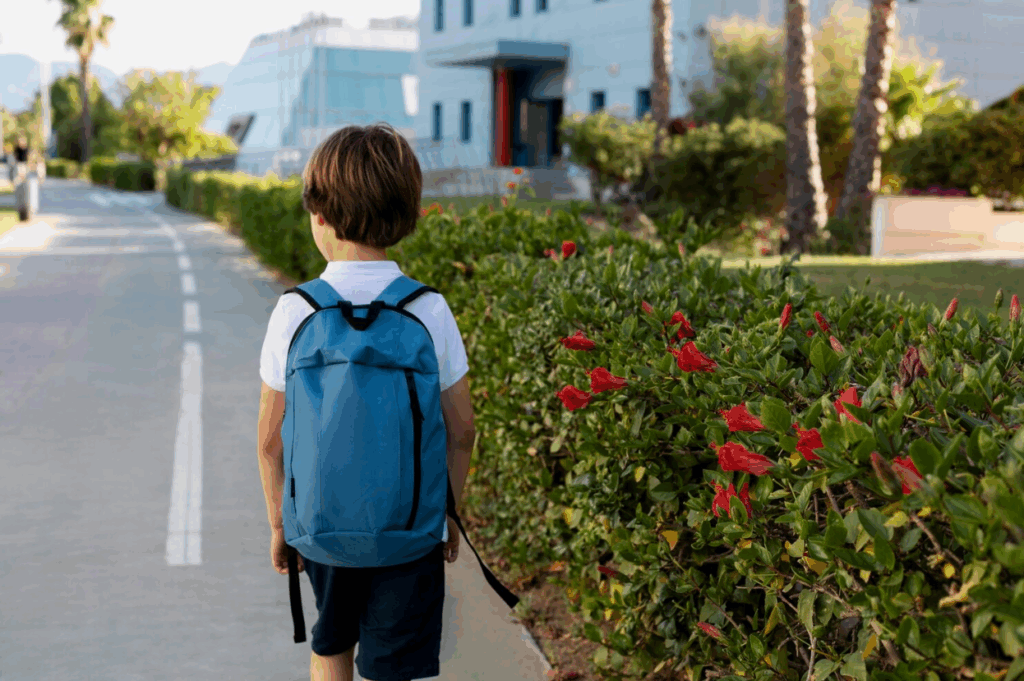
Set up the backpack for comfort and safety with these quick fit tips:
- Two wide, padded straps—always both; keep lengths even.
- Chest (sternum) strap to keep the shoulder straps from sliding outward.
- Waist/hip strap to transfer part of the load to the pelvis.
- High and snug. The bag should not hang more than about 2–4 inches below the waistline.
- Right‑sized pack. Choose a pack proportionate to the body—oversized bags invite overpacking.
- Avoid one‑shoulder carry. Even with a two‑strap backpack, slinging it over one shoulder is common and increases asymmetry—coach kids to keep both straps on.
For younger students: Try a lighter, structured pack with simpler pockets; fewer places to stash heavy items makes staying in range easier.
Backpack Back Pain Prevention Checklist
- Wear both straps; buckle chest/waist straps for longer walks
- Heaviest items packed closest to the spine
- Ride height: bottom of pack at the low back, not below the hips
- Clean‑out day every Friday (remove extras)
- Micro‑breaks on longer carries
When to See a Provider
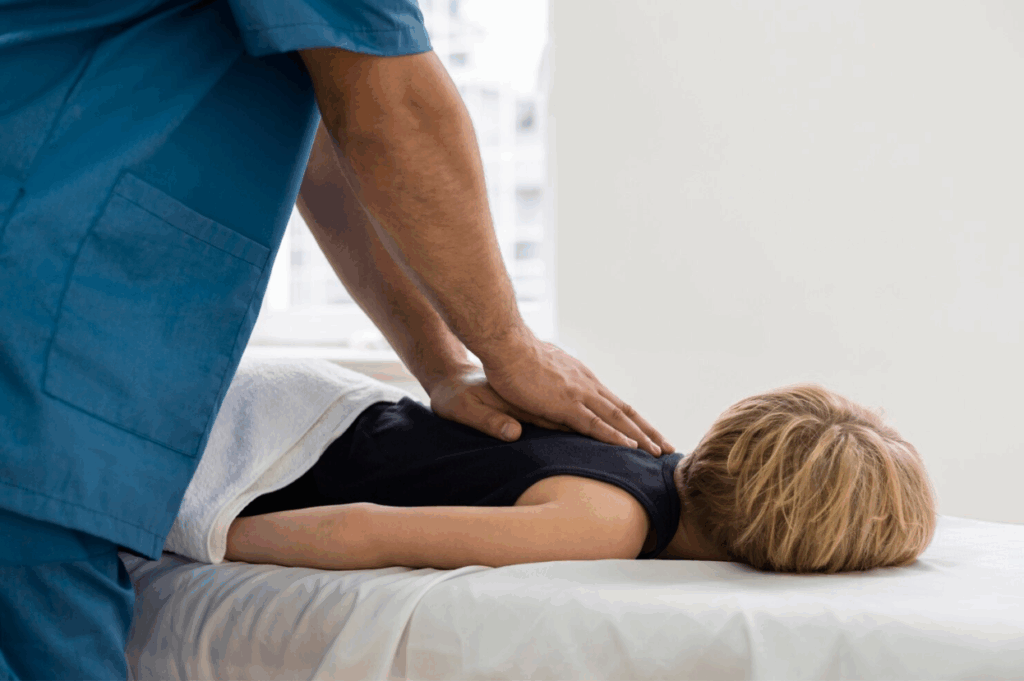
Seek care promptly if pain:
- Persists beyond a few days despite lightening the load and adjusting fit
- Radiates into an arm/leg, includes numbness/tingling, or causes weakness
- Is accompanied by fever, unexplained weight loss, trauma, or night pain
A chiropractor or other musculoskeletal provider can evaluate posture and movement, rule out other causes, tailor a plan, and guide safe return to normal activity.
Backpack Weight Guide (Quick Reference)
Use this table to estimate a safe range based on body weight.
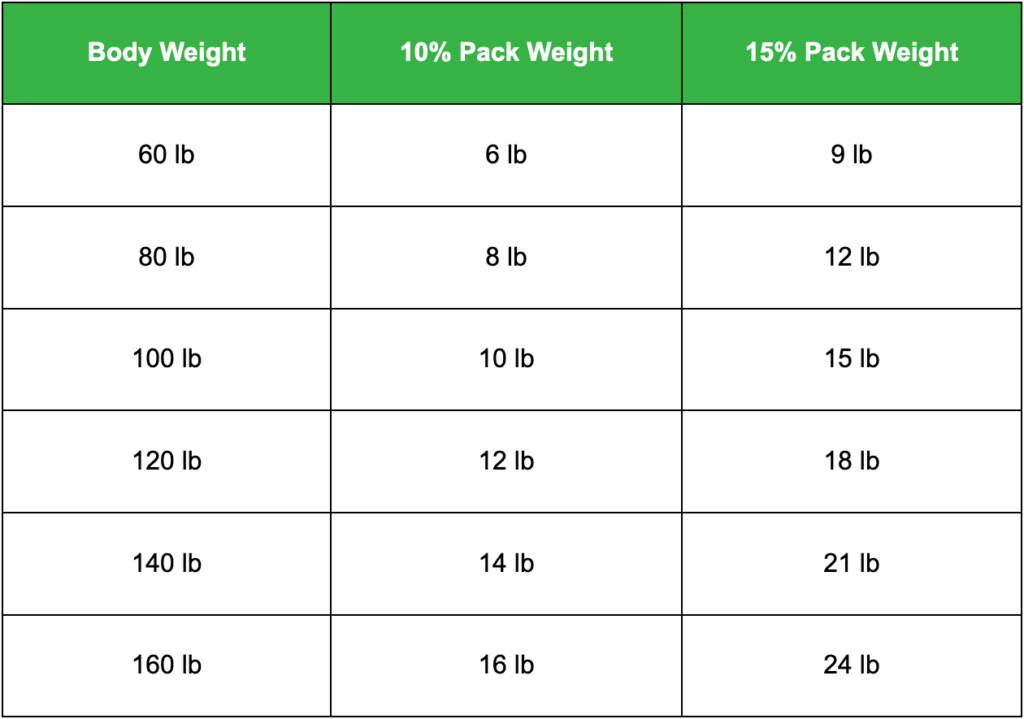
Treat these as maximums, not goals. Lighter is usually better.
FAQs
How to relieve back pain from a backpack quickly?
Lighten the load to 10–15% of body weight, wear both straps, fasten the chest/waist straps, repack with heavy items against the back panel, and do 3–5 minutes of gentle mobility. If pain lingers, get evaluated.
What percent of body weight should a backpack be?
Aim for 10–15% of body weight. For a 100‑lb student, that’s 10–15 lb.
Are one‑strap or messenger bags worse than two‑strap backpacks?
For daily use, two straps distribute weight more evenly. One‑strap carry increases asymmetry and shoulder strain.
Do backpacks cause scoliosis?
No. Backpacks don’t cause scoliosis. But heavy or poorly fitted bags can aggravate neck/back pain and poor posture.
Backpack Back Pain Help in Cedar Park
If back pain from heavy backpacks is slowing your student down, we can help. Our evaluation looks at posture, strength, and backpack fit, then builds a simple, effective plan. Book an appointment online or call (512) 501-6941 today.