
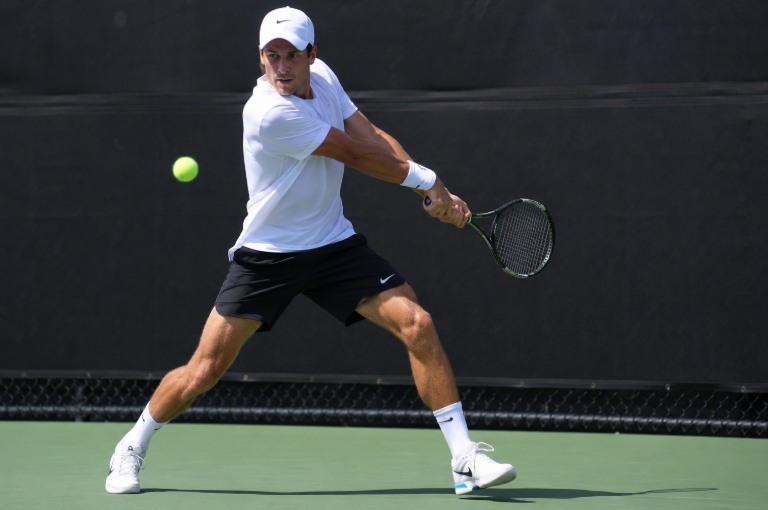
Tennis participation has grown across Texas since 2020, and Cedar Park has felt it. New leagues have opened at the rec centers, memberships at the tennis clubs keep climbing, and plenty of parents have picked up a racquet alongside their kids. One side effect was predictable. More shoulders are showing up in the clinic with pain, weakness, or a catching sensation on the serve that wasn’t there last season.
Tennis asks more of the shoulder than almost any other recreational sport. The encouraging part is that most tennis shoulder problems can be prevented, treated, and managed without giving up the game.
The Short Answer
● An unusual load. Tennis combines repeated overhead force, high-speed rotation, and thousands of repetitions over a season.
● Three main culprits. Most tennis shoulder pain traces back to rotator cuff tendinopathy, impingement, or poor shoulder blade control, and often to a combination of the three.
● Prevention has evidence behind it. Ramping playing volume up gradually over four weeks reduced injury incidence by as much as 21 percent in reviewed studies, and eccentric rotator cuff training paired with core work cut overuse injuries by 26 percent.
● Soreness and weakness are different signals. Mild soreness that clears in a day or two is usually nothing to worry about. Weakness, escalating night pain, or a sudden loss of range is a different story.
● Surgery is the exception. The large majority of tennis shoulder injuries respond to conservative care.
Why the Shoulder Takes the Brunt
Every sport has its demands, but tennis puts the shoulder in the same category as baseball pitching and volleyball spiking. The shoulder is a shallow ball-and-socket joint that trades stability for mobility, which makes it excellent at reaching, throwing, and swinging. That trade stops being a bargain when you ask the joint to accelerate at more than 100 miles per hour, thousands of times a season, at the outer edge of its range.
The serve is where most of the damage happens. On a full serve the shoulder rotates externally to an extreme position with the racquet pointing back and down, then whips forward through internal rotation at speeds that place enormous force on the rotator cuff. That same motion compresses the tissue between the shoulder blade and the head of the humerus, which is how impingement injuries develop. Overhead volleys and forehand smashes load the joint in much the same way.
Groundstrokes look gentler and still produce wear over time. Repeated rotation, deceleration, and eccentric loading of the muscles that catch each swing build up microtrauma that surfaces later as pain, stiffness, or reduced range of motion.
Then there is the training gap. Most recreational players get all of their shoulder work on the court, which is where the demand lives, and none of it in the gym, which is where the capacity to meet that demand gets built. When demand outpaces capacity long enough, something gives.
What’s Going On When Your Shoulder Hurts
“Tennis shoulder” is a catch-all. The conditions underneath it call for different approaches, so it helps to know which one you are dealing with. Each has a tell.
Rotator Cuff Tendinopathy
The rotator cuff is a group of four small muscles and their tendons that stabilize the shoulder joint. Repetitive overhead loading (especially serving) causes gradual breakdown of the tendons, most often the supraspinatus. Classic symptoms: aching pain deep in the shoulder, worse after playing, worse when lying on the affected side at night, mild weakness on overhead motions. Progresses from mild soreness to persistent pain over weeks or months if not addressed.
Shoulder Impingement
The tendons and bursa of the shoulder get pinched between the head of the humerus and the acromion (the top of the shoulder blade) during overhead motions. Common in tennis players because of the constant overhead loading. Symptoms: sharp pain at the top or front of the shoulder when reaching overhead, painful arc between roughly 60 and 120 degrees of arm elevation, sometimes weakness on serving. Can accompany or lead to rotator cuff tears if left untreated.
Internal Impingement
A specific form of impingement that happens at the outer edge of the shoulder’s range, when the rotator cuff gets pinched between the humeral head and the glenoid rim during the cocking phase of a serve. Research points to internal impingement as the leading cause of rotator cuff tears from overhead motions. Symptoms: deep back-of-shoulder pain during the serve preparation position, sometimes worse than pain at ball contact.
Labral Tears (Including SLAP Tears)
The labrum is a ring of cartilage that deepens the shoulder socket and stabilizes the joint. Repetitive overhead motion can tear it, especially at the top (called a SLAP tear). Symptoms: pain deep in the shoulder, sometimes with a catching or clicking sensation, weakness on overhead motions, and a feeling that the shoulder is unstable. Diagnosis typically requires an MRI, and severe cases sometimes need surgical repair.
Scapular Dyskinesis
Less an injury and more a movement problem. The shoulder blade should glide smoothly across the ribcage as your arm moves. When the scapular muscles are weak or firing in the wrong pattern (common in tennis players), the shoulder blade doesn’t move correctly, which changes how the shoulder joint sits during every stroke. Contributes to almost every other tennis shoulder problem. Often invisible to the player, obvious to a trained provider watching them move.
GIRD (Glenohumeral Internal Rotation Deficit)
A specific loss of internal rotation range at the shoulder, common in players with heavy serve volume. Contributes to internal impingement and rotator cuff issues. Often develops without pain until it starts driving other injuries. Assessed with specific range-of-motion tests, addressed with targeted mobility and soft tissue work.
Shoulder bursitis
Inflammation of the small fluid-filled sacs (bursae) that reduce friction in the shoulder joint. Usually accompanies impingement or rotator cuff issues rather than occurring in isolation. Symptoms: swelling and pain in the front or side of the shoulder, worse with motion, sometimes warm to the touch.
What Prevents Tennis Shoulder Injuries
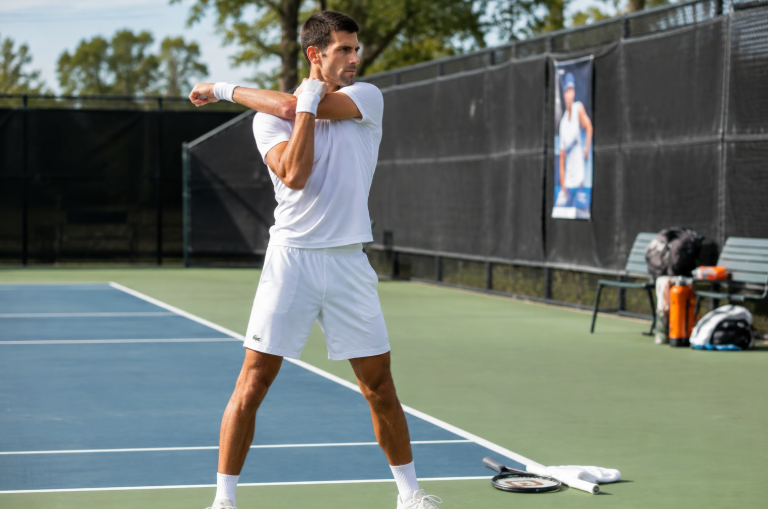
Most tennis injury prevention advice online is generic: warm up, stretch, don’t overdo it. That’s fine as far as it goes, but the research points to more specific interventions that actually reduce injury rates in measurable ways.
Progressive Workload Management
A 2025 systematic review on tennis injury prevention identified abrupt increases in the acute-to-chronic workload ratio as the single strongest predictor of injury. In plain English: playing significantly more this week than your body is used to is what breaks people down. A 4-week gradual ramp-up strategy reduced injury incidence by up to 21 percent in the studies reviewed.
Practical translation: if you’ve been playing twice a week and you decide to enter a league that has you playing four or five times a week, your shoulders are going to protest. Not immediately, but within 3 to 6 weeks. Build up your volume gradually. If you’re returning from a break, start below what you were doing before and add roughly 10 to 20 percent per week.
Rotator Cuff and Scapular Strengthening
The same systematic review found that combining core stability work with eccentric rotator cuff training reduced overuse injuries by 26 percent while preserving shoulder mobility. This isn’t just about strength. Eccentric training (the lengthening phase of a muscle contraction) builds the specific kind of resilience the shoulder needs to decelerate a serve.
The exercises that matter for tennis shoulders aren’t complicated. External rotation with resistance bands. Prone Y, T, and W raises for the scapular stabilizers. Face pulls for the rear delts. Serratus wall slides. Two or three short sessions per week, done consistently over months, produces meaningful change. Done for two weeks and abandoned, they don’t.
Real Warm-ups (Not Just Arm Circles)
The pre-play warm-up matters more than most players realize. Two or three minutes of arm circles doesn’t prepare the shoulder for what the serve is about to ask of it. A proper tennis warm-up includes dynamic mobility for the shoulders and thoracic spine, activation exercises for the rotator cuff and scapular muscles (light band work, wall slides, controlled reaches), and gradual buildup on the court itself (starting with soft rallies before going full-power).
Rest and Recovery Between Matches
Research has documented that alterations in shoulder range of motion and scapular kinematics after prolonged tennis play tend to self-resolve with rest. Which means recovery isn’t just about avoiding fatigue. It’s about giving the shoulder time to return to its baseline state before the next demand. Playing three or four days in a row without recovery days is one of the fastest ways to accumulate the exact kind of microtrauma that becomes an injury.
Technique That Fits Your Body
Not everyone’s shoulder can tolerate the same serve mechanics. A coach who understands biomechanics can identify technique issues that increase load on your specific shoulder. Serve timing modifications and personalized grip sizing showed measurable injury reduction in the research. If you keep getting injured despite doing the physical prep work, technique might be the missing piece.
Playing Through It vs. Backing Off
Tennis players tend to two extremes: powering through pain until something snaps, or resting so cautiously that they lose fitness and technique before the shoulder is actually fixed. Both are wrong. Here’s a more honest framework.
Usually fine to keep playing, with attention:
● Mild post-play soreness that resolves within 24 to 48 hours
● General shoulder fatigue after a hard match
● Minor stiffness that eases during warm-up
● Occasional twinges on specific shots that don’t linger
Pull back or take a break:
● Pain that persists more than a few days between sessions
● Pain that is getting worse rather than holding steady or improving
● Pain that changes how you serve or how hard you can hit
● Sharp catching or grinding during motion
● Weakness in specific movements, such as raising the arm or rotating it outward
Stop playing and get evaluated:
● Sudden onset of significant pain during play
● Loss of range of motion that doesn’t improve within a few days
● Night pain that wakes you or is escalating
● Weakness that limits everyday activities like reaching or lifting overhead
● Numbness or tingling down the arm
● A sense that the shoulder is unstable or slipping out of place
What Conservative Care Looks Like for Tennis Shoulder

Most tennis shoulder injuries respond well to conservative treatment. Surgery is typically reserved for full-thickness rotator cuff tears, significant labral tears that don’t respond to rehab, or cases where months of consistent conservative care haven’t produced meaningful improvement.
A thoughtful conservative approach for a tennis player usually includes several components working together:
Accurate Diagnosis First
Tennis shoulder problems overlap significantly, and the right treatment depends on knowing which combination of issues you’re dealing with. A thorough evaluation includes history, movement assessment, specific shoulder tests (impingement tests, rotator cuff strength testing, labral tests), and sometimes imaging when clinical findings suggest it. Any provider who goes straight to treatment without this workup is guessing.
Manual Therapy for the Tissue Restrictions
Tennis shoulders accumulate tissue restrictions in specific patterns: tight posterior shoulder capsule, restricted internal rotation, adhesions in the rotator cuff musculature, thoracic spine stiffness that changes shoulder mechanics. Myofascial therapy and joint mobilization address these directly and often produce noticeable improvement in range of motion within a few visits.
Progressive Rehab that Fits the Sport
Generic rotator cuff exercises are fine for general strengthening. Tennis-specific rehab progresses from isolated strengthening to functional patterns that resemble the demands of the sport (rotational core work, deceleration training, gradual return to overhead loading). Rehab and corrective exercise work is the piece that keeps the injury from returning after the acute symptoms settle.
Coordination with Your Tennis Coach
The best tennis shoulder rehab includes eventual conversation with the coach who’s watching your mechanics on the court. Sometimes the injury is coming from something in your technique that no amount of shoulder work will fix in isolation. A provider who’s willing to communicate with your coach when appropriate produces better long-term outcomes.
Return-to-play Planning
Coming back from a shoulder injury too fast is one of the most common ways players end up in a re-injury cycle. Return should be structured: symptom-free daily activity first, then light hitting with no serves, then gradual serve buildup, then match play. Skipping steps invites setback.
If Your Shoulder Isn’t Cooperating
The tennis shoulder is a specific system with specific demands, and it benefits from providers who understand the sport. If you’re in the Cedar Park area, playing at any level, and dealing with shoulder pain that’s affecting your game or your daily life, Dr. Alex Klein at Cedar Park Chiropractic Relief takes a sport-informed approach to conservative care. The first visit includes a thorough shoulder evaluation, an honest assessment of what’s driving your symptoms, and a plan that fits both your body and your goals for staying on the court.
Call (512) 501-6941 or book online. If it’s a problem conservative care can address, that’s what we’ll do. If it’s beyond that scope, you’ll get a clear referral.
Frequently Asked Questions
Can I keep playing tennis with a rotator cuff injury?
Depends on severity. Mild tendinopathy often responds to modified play (less volume, no full-power serves, adequate recovery) alongside rehab. Full-thickness tears, significant pain with basic motion, or symptoms that worsen with play require stopping and getting evaluated. Playing through a real rotator cuff injury usually turns a treatable problem into a longer one.
How long does tennis shoulder take to heal?
Depends on the specific injury and how consistently you address it. Mild tendinopathy and impingement often improve significantly within 4 to 8 weeks of consistent conservative care. More significant rotator cuff issues can take 3 to 6 months. Labral tears vary widely, from months of successful conservative management to cases that require surgery. Realistic timelines matter because expectations drive whether patients stick with the rehab.
Should I see a chiropractor or an orthopedist for tennis shoulder pain?
Depends on the severity and pattern. Mild to moderate cases without red flags (no sudden significant weakness, no traumatic mechanism, no night pain that’s escalating) are reasonable to start with a chiropractor or physical therapist. Cases with those red flags, or cases where conservative care hasn’t produced improvement after 4 to 6 weeks, warrant orthopedic evaluation, typically with imaging.
Do I need an MRI for tennis shoulder pain?
Usually not upfront. Most tennis shoulder issues can be evaluated clinically and treated conservatively without imaging. MRI becomes valuable when clinical findings suggest a specific structural issue (significant rotator cuff tear, labral tear, other abnormality), when conservative care isn’t producing improvement, or when surgery is being considered.
What’s the best warm-up before playing tennis?
Better than arm circles alone. A functional warm-up includes dynamic thoracic mobility work, shoulder activation with light bands (external rotation, Y raises), a few sets of scapular movement drills (wall slides, controlled reaches), and gradual on-court buildup starting with soft rallies. Total time: 8 to 12 minutes. The players who skip this step are the ones who end up in the clinic.
Can chiropractic care actually help tennis shoulder?
For the types of tennis shoulder problems where conservative care fits (rotator cuff tendinopathy, impingement, scapular dyskinesis, GIRD, muscle imbalances), chiropractic care that includes manual therapy, adjustments, and rehab exercises can be genuinely useful. For full-thickness rotator cuff tears, severe labral tears, or shoulder instability requiring surgical evaluation, chiropractic isn’t the answer.
Will I have to give up tennis if I have a shoulder injury?
Almost never permanently, though you may need to modify play significantly during active treatment. Most tennis players with shoulder injuries return to full play with appropriate rehab. The players who don’t return are usually the ones who ignored early symptoms until the injury became structural, or who repeatedly returned to full play too soon after each flare.